Healthy eating is about more not less
Healthy eating is not about calories, numbers, or control. It is about making mindful choices, enjoying variety, and building meals that truly nourish body and mind. Discover how to make balanced eating work.

How to make balanced eating work
For years, healthy eating was reduced to numbers: Calories in, calories out. Less was better. Smaller portions meant you were disciplined. A meal became something to minimize, manage, and track, rather than something to enjoy with confidence.
The assumption was simple: if you could reduce your food to a quantity, you could control your health. But healthy eating isn’t about eating less. In fact, it’s about eating more. More variety, more colour, more plants, more nourishing inputs. More diversity instead of repetition. More ingredients instead of one dominant component.
More nourishment, not more restriction.
Calories matter — but they’re not the full picture
A calorie tells you how much energy is in food, but it can’t tell you anything about what that energy is made of. One meal of 500 calories could be built from vegetables, grains, legumes and plant fats — layered, colourful, mineral-rich, while another meal of 500 calories could be refined and simple, quick to absorb and quick to disappear.
Quantity and quality are not interchangeable.
When you no longer rely on a single number to define a meal, the lens actually shifts from less to more.
Rethinking what a healthy meal should be
So if we’re not going to count calories to define a meal anymore, we need a different way to understand food (Note: Understand, not measure).
A balanced meal includes a mix of macronutrients:
- Protein, so the meal feels composed rather than singular
- Fibre-rich plants, which naturally introduce micronutrients and texture
- Dietary fats, which contribute depth and help meals feel complete
- Carbohydrates, which provide accessible energy for daily functioning

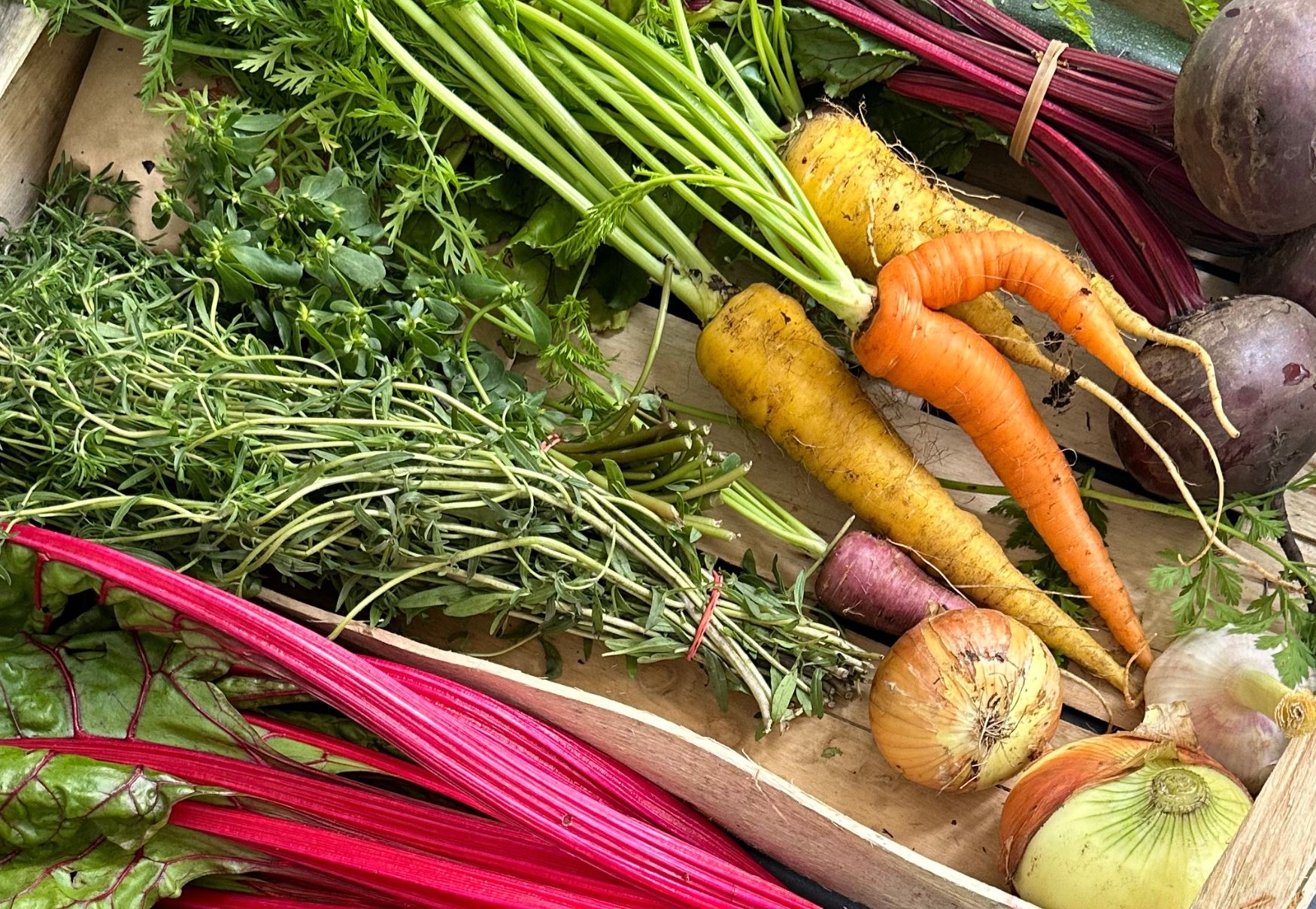
None of these elements are “good” or “bad” on their own. The value is in their quality and interaction — a plate built from several components instead of one. Balanced meals are not smaller meals, but rather fuller, more complete meals.
Going beyond the plate: diversity across the week
You can build a balanced meal every day using the same ingredients, but if those ingredients never change, your nutrition doesn’t change either. Broccoli doesn’t provide the same nutritional value as carrots, just the way chickpeas aren’t the same as lentils. A diet made of four rotating foods is structured, sure, but is also narrow.
That’s why cycling through different colours, plant families, textures and grains is so important - it naturally broadens you macronutrient and micronutrient exposure.
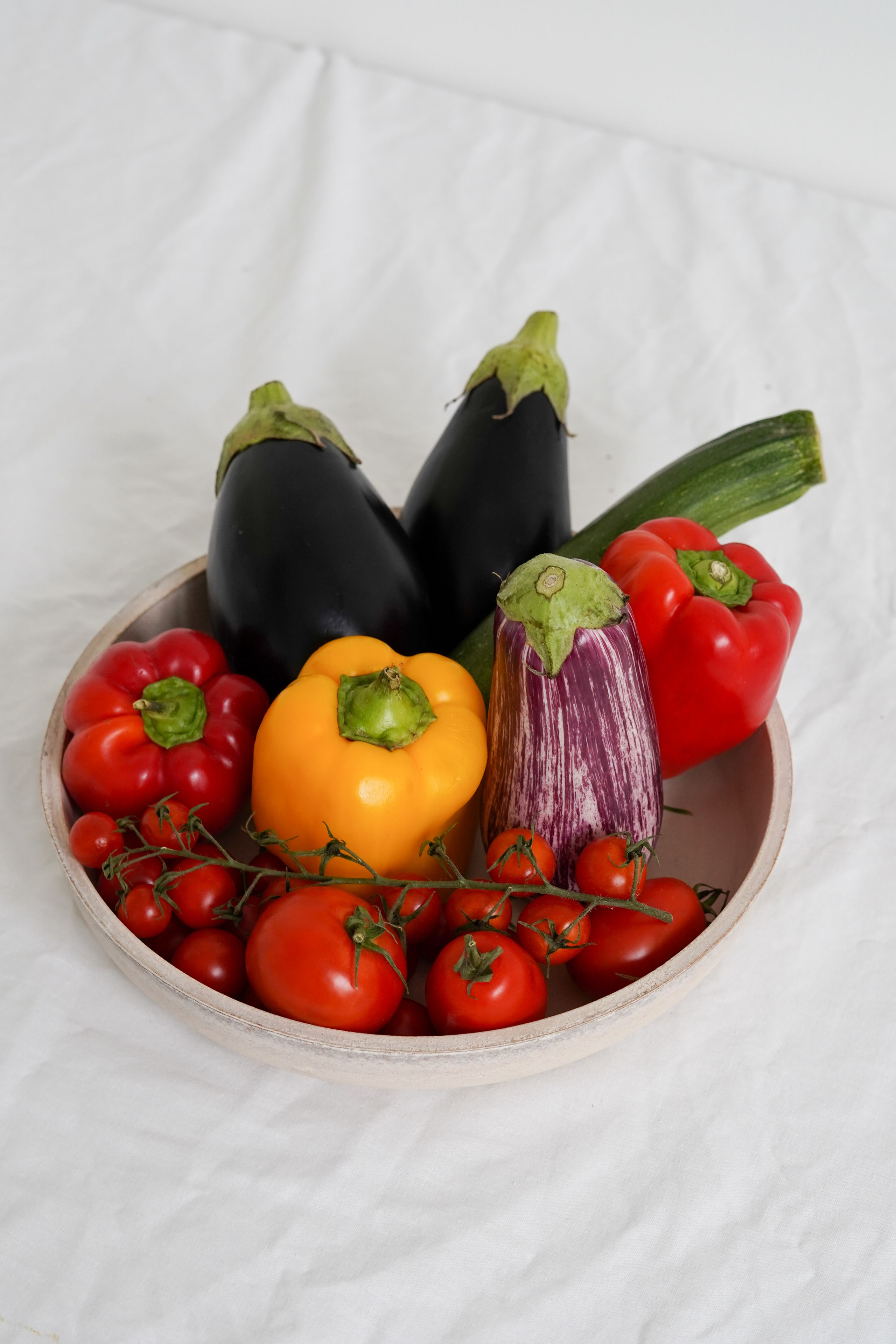
One of the simplest non-tracking approaches is to think in colours. Whether it’s on your plate or over the course of a week, the colors on your plate should vary. Colours are nature’s way of telling us that we are consuming different micronutrients (think: different vitamins and minerals). If broccoli is always on your plate, you’re missing out what carrots and paprika have to offer.
What’s great about this approach is that it actually expands what you can eat, not restrict it.

A practical way to eat well without counting
You don’t need percentages, macros graphs, or gram targets. You only need a two-layer view:
- Layer one: composition within a meal
Protein + plants/fibre + fat + carbohydrate present in some balance — not measured, just visible.
- Layer two: rotation across the week
Different colours, different ingredients, different sources — not tracked, just noticed.
This approach makes eating well both structured and generous. We can’t say this enough: It’s not shrinking food, it’s actually expanding it.
Where convenience supports abundance
Maybe you enjoy planning meals, shopping for variety, and cooking regularly. Many people don’t have time every day to consider balance or diversity in their meals. They’re just trying to feed themselves to get on to the next thing they have to do. It’s one of the curses of modern life.
We designed every meals exactly for that reason. We believe that convenience shouldn’t compromise quality of nourishment. All of our meals are designed with vegetables, legumes, grains, fibre and plant proteins in a way to truly nourish you, no matter what’s going on in your life.
Healthy eating works when it feels realistic to maintain. So count your nutrients, not your calories, you’ll already be feeling better.
Easily enjoy variety
Every's diverse selection contributes to a nutritious and balanced diet. We want to help you easily get into new routines.
Ab 5,43€ pro Gericht
FAQ
Can you eat healthy without counting calories?
Yes. Healthy eating does not require tracking. Looking at meal composition and food diversity across the week is often a more sustainable approach than focusing on numbers.
What should I pay attention to if I'm not counting calories?
Macronutrient balance — protein, fibre-rich plants, fats, and carbohydrates — plus colour and ingredient variety across the week. The goal is diversity rather than restriction.
Is calorie counting necessary for weight or health?
Calorie counting is one tool, but not the only one. Paying attention to what food contains, rather than how much, can support a more abundant and maintainable way of eating.
How do I add variety to my meals without overthinking it?
Rotate ingredients. Change colours. Try different plant families through the week. A little variation, applied consistently, broadens nutrition naturally.
What is the simplest way to start eating healthier today?
Think in two layers: balance within meals (protein + plants + fat + carbs) and rotation across the week. No numbers required — just awareness.